A/68/PV.103 General Assembly
In the absence of the President, Mr. Khiari (Tunisia), Vice-President, took the Chair.
The meeting was called to order at 4.45 p.m.
118. Follow-up to the outcome of the Millennium Summit High-level meeting of the General Assembly on the comprehensive review and assessment of the progress achieved in the prevention and control of non-communicable diseases


Zimbabwe aligns itself with the statement delivered by the representative of Bolivia on behalf of the Group of 77 and China (see A/68/PV.100).
We would like to thank the Director-General of the World Health Organization for her report on the subject (see A/68/PV.100). We would also like to thank the co-facilitators of resolution 68/300, adopted yesterday, the Ambassadors of Belgium and of Jamaica.
The report discusses the fact that developing countries are experiencing a higher mortality rate as a result of non-communicable diseases (NCDs) due to a number of factors. As a developing country, Zimbabwe can attest to the growing challenge of dealing with NCDs. We recognize in particular the challenge posed by weak health systems in coping with the burden. In our case, financial challenges have particularly hampered efforts to implement some of our NCD- related national policies and strategies. However,
*1446438* 14-46438 (E)
despite those challenges, I am pleased to share some of the progress we have made towards preventing and controlling non-communicable diseases.
At the policy level, the Ministry of Health and Child Welfare has developed NCD and alcohol-control policies, which are currently pending approval by our Cabinet. In order to bring cohesion and coordination to the national NCD response, my Government established an NCD unit with a dedicated staff component and its own separate budgetary allocation.
As we strengthen our national NCD response, the Government is increasingly paying attention to mental- health issues, which often tend to be neglected. In order to ensure that sufficient attention is paid to that issue, Zimbabwe has put in place a mental-health policy and a mental-health strategy. In addition, indicators for monitoring mental health have been developed and are now in use in the country.
The 2011 Political Declaration of the High- level Meeting on the Prevention and Control of Non-communicable Diseases (resolution 66/2, annex) recognizes the linkages between NCDs and HIV and AIDS. Zimbabwe has placed a great deal of emphasis on integrating the NCD response to the national HIV and AIDS response. We believe that our efforts to prevent and control NCDs will greatly benefit from the experience gained and lessons learned through the national HIV and AIDS response. Consequently, in Zimbabwe, we have overseen the integration of screening for cervical cancer with HIV and AIDS services at the national, provincial and district levels.
Furthermore, the national anti-retroviral therapy guidelines for 2013 include the early detection and management of NCDs. In addition to integrating the early detection of NCDs into the HIV and AIDS response, the Government also promotes screening for breast cancer in both public and private institutions. To date, 19 sites have been established to screen for selected NCDs, including hypertension, diabetes and prostate and other cancers, as well as eye conditions. Efforts are also under way to secure funding to conduct the national NCD risk factor surveillance, which was last carried out in 2005.
The importance of multisectoral partnerships in addressing NCDs cannot be overemphasized. Such partnerships are also a critical tool in raising awareness of NCDs at all levels. In Zimbabwe, we have established a wide range of partnerships to complement Government efforts towards preventing and controlling non-communicable diseases. Those partnerships include cooperation with academia and non-governmental organizations such as the Zimbabwe Diabetes Association and the Cancer Association of Zimbabwe, as well as partnerships with corporate bodies and international partners. We remain open to establishing new partnerships and strengthening the existing ones, particularly with the private sector.
In conclusion, I would like to call on all stakeholders to redouble their efforts towards increasing the affordability of medicines and ensuring improved access to treatment for all. We also need to increase our investment in diagnostic and treatment equipment if we are to see any progress in addressing NCDs and in reducing their social and economic burden.
I would like to reiterate Zimbabwe’s commitment to work with the relevant stakeholders to ensure that the commitments made during the High-level Meeting of 2011 are fulfilled.


I would like to thank the President for having convened this important meeting on non-communicable diseases (NCDs), which constitute a challenge for many societies and nations.
The Kingdom of Bahrain has developed and adopted a comprehensive national action plan in line with international priorities and goals to combat NCDs and to implement the 2011 Political Declaration of the High-level Meeting of the General Assembly on the Prevention and Control of Non-communicable
Diseases (resolution 66/2, annex), which reiterates the Governments’ commitments to generate national responses to NCDs. Our national plan was set up on the basis of the plan that the Gulf Cooperation Council adopted at its thirty-second session, in December 2011. The strategic goals of the plan are the primary and secondary prevention of non-communicable diseases, the improvement of health-care services at all levels for people infected with those diseases and more treatment for such patients. The goals also include undertaking considerable NCD-related research and enhancing social partnerships to combat those diseases.
The Kingdom of Bahrain reiterates its commitment to implementing the requirements of the Political Declaration. It has taken steps in that regard, namely, by adopting and implementing the necessary measures under the Economic Vision 2030 and by issuing a Cabinet decree to establish a national committee on the prevention of non-communicable diseases and on combating their risk factors. We have also established a chronic disease unit within the Disease Control Section of the Ministry of Health and have appointed a national coordinator to coordinate such efforts across the Kingdom.
The Kingdom of Bahrain has also signed the World Health Organization (WHO) Framework Convention on Tobacco Control, and it passed tobacco-control legislation in 2009. We are also developing and implementing policies on tobacco control in Bahrain. Other related issues include initiatives to enhance health in schools across the Kingdom and to establish clinics to treat obesity and diabetes in workplaces. We have also established national indicators and goals based on the WHO guidelines and have submitted periodic reports in that regard.
Finally, the Kingdom of Bahrain reiterates its commitment to implementing the Political Declaration of the High-level Meeting adopted by the General Assembly in 2011. That document sets out a clear plan to combat such diseases and makes it incumbent on the international community to resolutely combat NCDs.


On behalf of Paraguay, I would like to begin by expressing our appreciation for the convening of this High-level Meeting, which will not only allow us to acknowledge the progress made and the obstacles encountered during the past three years with regard to the implementation of the Political Declaration of 2011 (resolution 66/2, annex), but also will enable countries to reaffirm their
commitment to continue to carry forward national policies, plans and programmes for the prevention and control of non-communicable diseases.
In Paraguay, non-communicable diseases are a major burden for public health, since, for several years, they have been among the four primary causes of death. In 2012, they accounted for 26 per cent of premature deaths while, in the past 10 years, the prevalence of cardiovascular diseases and diabetes has increased by 10 per cent.
In that regard, the survey of risk factors among the adult population of Paraguay, including indigenous peoples, provides us with alarming figures with regard to the prevalence of common risk factors such as obesity and overweight, which are present in 57 per cent of the Paraguayan population, and physical inactivity in 75 per cent. The low consumption of fruits and vegetables has reached the level of 84 per cent. Fifteen per cent of our population smoke and 51 per cent consume alcoholic beverages.
Aware of that national situation, the Paraguayan Government has initiated a series of actions not only to control the prevalence of such diseases but also to try and prevent them. Those initiatives include, first and foremost, the establishment of an intersectoral commission for the development and coordination of prevention policies and strategies in cooperation with other sectors, such as the education, agriculture, environment and sports sectors, including universities, scientific institutes and civil society.
With regard to the problem of inactivity, the commission has developed a programme for the promotion of physical activity, through which it encourages the establishment of health tracks in universities and colleges to promote activity among young people and children. It has also submitted a bill to the National Assembly on regulating the use of bicycles as an alternative means of transport.
With respect to the high prevalence of overweight among Paraguayans, with half the adult population suffering from it, we have enacted a law on the prevention and treatment of obesity, which the Ministry of Health is currently implementing. Also, in order to reduce salt intake, the health authorities have issued regulations to reduce the salt content in staple bakery products, which are currently in their second phase of implementation. With regard to tobacco use, we would emphasize two important achievements — first, the inclusion of
information on avoiding the use of tobacco products in the school curriculum and, secondly, the declaration of smoke-free environments by 82 municipalities in the country.
The Paraguayan Government recognizes the importance and necessity of implementing multisectoral public policies to reduce non-communicable disease risk factors among its population. It has therefore developed and recently adopted a national plan of action on chronic non-communicable diseases for the period 2014 to 2024. That programme is based on a life-cycle approach and community participation and includes targets and indicators that are consistent with those outlined in the Global Action Plan for the Prevention and Control of Non-communicable Diseases 2013-2020 of the World Health Organization.
We should underscore that, in order to implement the national plan, the institutional organizational structure for health has been adjusted, thereby achieving a refocusing and the integration of individual programmes on non-communicable diseases. In addition, we have implemented a system of chronic care in the context of primary health care so as to ensure that the health services provided are more comprehensive and effective within the national health system network.
I would like to say that Paraguay knows that the prevention and control of non-communicable diseases is a long and difficult path. We nevertheless reiterate our full commitment to those goals, with the awareness that addressing the issue will have an extremely positive impact on our population and, as a result, on our economic and social development.
In that regard, the delegation of Paraguay believes that it is essential to underscore the importance of the international community, in particular partner countries and the entities of the United Nations system, continuing to provide the necessary assistance, whether financial or technical, to help the national efforts of developing countries to combat such diseases.
Finally, I would like to highlight Paraguay’s strong desire for this issue to be an integral part of the post- 2015 development agenda.


Finland fully aligns itself with the statement delivered yesterday by Commissioner Borg on behalf of the European Union and its member States (see A/68/PV.100).
We welcome the commitment and progress made in scaling up the global work for the prevention and control of non-communicable diseases (NCDs). The High-level Meeting in September 2011 was an important milestone. Since then, remarkable results have been achieved, including the Global Action Plan on the Prevention and Control of NCDs of the World Health Organization (WHO), its nine concrete targets, the United Nations Inter-agency Task Force on the Prevention and Control of Non-communicable Diseases and the WHO global coordination mechanism. However, that is not enough. We need to move from global commitments to implementation at the country level. We must do more and we must do it better.
Engagement with all stakeholders is crucial, but public health must also be protected from any undue influence or conflict of interest. We need to create healthier environments, to make healthy choices available for everyone and to mainstream health promotion. But we must also support and protect vulnerable groups. We need to assess the health impact of policy initiatives and utilize health in an all-policy approach to ensure action across Government sectors.
In particular, strengthening national capacities to address NCDs is essential and pays off. We know that from our own experience. In the 1960s, Finland had the second-highest cardiovascular mortality rate in the world. Today, the figures for the working-aged population have decreased to one tenth. Most of the reduction can be accounted for by reduced tobacco use and dietary improvements, such as salt reduction and changes in the fat consumed, especially, most important, a reduced intake of saturated fats. Our success story was based on translating innovative research results into policies, political commitment, supportive policies and legislation, effective monitoring and evaluation and working with many sectors, including non-governmental organizations and the private sector.
However, past success does not necessarily guarantee good development in the future. We now face new challenges, such as the economic crisis, the increasing global trade and marketing of unhealthy foods and other products, environmental changes and the increasing use of modern technology. We need to use the existing tools, such as legislation and information guidance, in new areas and to seek synergies. For example, fiscal measures such as taxes on unhealthy products like tobacco, alcohol and unhealthy foods can be used both to curb budget deficits and to steer
consumer behaviour. We must find new ways to protect people’s health.
I will conclude by mentioning some very recent developments in Finland. We have now passed legislation that aims to eliminate, not reduce, the use of tobacco products by the end of 2040. To achieve that goal, there is a road map towards a completely smoke-free Finland.
To combat a sedentary lifestyle, we are now drafting recommendations on how to reduce the time that we spend sitting in everyday life. I was very pleased yesterday when my Swiss colleague asked us to stand up, as sitting is not good for our health and we sit in meetings for too long. To improve dietary habits, we already have warning labels for high-salt products, and we plan to expand that to non-prepacked products in the near future.
We are also addressing alcohol-related harm. Within six months, we will be the first country in the world to limit the use of social media in advertising alcoholic drinks. We are also working on social welfare and health-care reform to ensure better primary-level social and health-care services for all, including better structures for health promotion.
Let me conclude by saying that we look forward to moving the process forward. Everyone has the right to the highest attainable level of health, and NCDs pose a serious threat to sustainable development. An effective response to NCDs is essential in order to ensure that present and future generations have the chance to live better, healthier and more productive lives.


At the outset, allow me personally to convey my gratitude and great appreciation to the President for organizing this significant meeting. I would also like to say that we support the statement delivered yesterday by the representative of Bolivia on behalf of the Group of 77 and China (see A/68/PV.100).
Over the past few years, global attention has been focused on combating communicable diseases such as HIV and AIDS, malaria, tuberculosis, hepatitis C and other chronic illnesses. Non-communicable diseases have never received such great attention from the world. Despite the growing threat of those illnesses, the statistics of the World Health Organization (WHO) show that the extent of the threat and the mortality rate as a result of chronic illnesses is higher than that of contagious diseases.
My country is well aware of the magnitude of such threats. The Libyan people are clearly vulnerable and exposed to such diseases, in particular diabetes, arterial hypertension, cancer and respiratory diseases, as well as asthma among children, which cause great suffering. The mortality rate from those illnesses is the highest such rate in the country.
The Government seeks to improve the health services in general by focusing on chronic illnesses. The necessary medicines are provided free of charge to the population. In order to raise the level of health, the Minister for Health has requested the assistance of the WHO in finalizing a health-care system that provides for universal health-care coverage for the entire population.
Non-communicable diseases are a heavy economic and social burden for all States, in particular developing and poor countries. Furthermore, they cause premature deaths and are not only a cause of concern for health but also a development and economic problem insofar as they hamper sustainable development. It is therefore necessary to coordinate efforts and to establish partnerships to ensure the supply of medecines at affordable prices to everyone through cooperation with the WHO.
My delegation hopes that this High-level Meeting will give rise to ideas or a plan of action to deal with non-communicable diseases within the framework of an effective global partnership. We hope that countries will demonstrate the strong political will to work together to combat those illnesses so as to determine their causes, reduce their prevalence and find appropriate ways to eradicate them in order to establish a world free of such diseases and to ensure the well-being of all.


The Philippines aligns itself with the statement made yesterday by the representative of Bolivia on behalf of the Group of 77 and China (see A/68/PV.100).
We welcome the adoption of the outcome document (resolution 68/300) of this meeting, which will add impetus to combating and preventing epidemics of non-communicable diseases (NCDs).
We support and endorse the report of the Director- General of the World Health Organization on the prevention and control of non-communicable diseases (A/68/650), together with the World Health Organization global monitoring framework and its set of nine global targets.
The Philippines suffers from the burden of four fatal diseases, namely, cardiovascular disease, cancer, diabetes and chronic respiratory diseases. Since 2009, there has been an alarming increase in NCDs in the Philippines. Those diseases are responsible for 60 per cent of the deaths in the country. In addition, almost 50 per cent of all deaths occur before the age of 60. The fact that NCDs affect the majority of the economically active population underscores the economic burdens and losses that we bear from deaths due to NCDs.
Governments have a primary role to play in the prevention and control of NCDs. We are strongly committed to promoting, supporting and strengthening multisectoral national health policies and plans to achieve our national targets. Our Department of Health has set in place a multisectoral national strategy for health 2011-2016, which is a compendium of health programmes and interventions for preventing and controlling NCDs. The national strategy provides guidance to all stakeholders and health advocates on attaining the three strategic goals for health — first, ensuring financial risk protection; secondly, universal access to quality health-care facilities; and, thirdly, achieving the health-related Millennium Development Goals.
The Philippines has set in motion the following programmes and interventions. First, we have undertaken a nationwide campaign to reduce sodium intake to the level recommended by WHO. Secondly, we have in place a nationwide awareness programme to lower high blood pressure. Thirdly, we have established an early health-education programme to promote a healthy lifestyle among children and young people from kindergarten to grade 12. Fourthly, we have launched the Healthy Canteen Certification Programme in schools and compiled a guidebook on what constitutes a healthy plate to further enhance the Filipino Food Pyramid Guide. Fifthly, we are developing a voluntary healthy food certification programme to set the limits on the daily intake of calories and the fat, sugar and salt content of processed food products, which will eventually give rise to a mandatory food labelling programme. Sixthly, we are working on a healthy lifestyle programme, known as the Healthy Lifestyle Movement Campaign, to be based at the NCD centre. It focuses on four behavioural risk factors, namely, smoking, the harmful use of alcohol, physical inactivity and an unhealthy diet.
We are implementing our vision of Achieving Universal Health Care for All Filipinos by improving the scope of our national health-insurance programme, its coverage and the utilization of its services. We are upgrading our national network of health facilities and hospitals so that health-care services to manage NCD cases will be accessible and more affordable, particularly to the poor. We are striving for universal health care for all by the end of 2016, with coverage reaching 85 per cent of the population. We have implemented the Cheaper Medicines Act through a joint partnership between the Government and the local pharmaceuticals industry.
Our other measures to prevent NCDs include enacting amendments to the National Health Insurance Act to ensure universal coverage and utilization; new laws for the responsible corporate governance of hospitals; the restructuring of alcohol and tobacco taxes to raise the rate of duty on those products; new legislation on responsible parenthood and reproductive health; and the adoption of amendments to the governance of the practice of health-care professionals.
Our Government cannot face the challenges posed by NCDs by itself. But in partnership with its local stakeholders and with the support of our development partners, the challenges posed by NCDs are surmountable.
Non-communicable diseases are not the problem of just a few countries or of the developing or developed world. They affect all humankind. They are essentially preventable and controllable. Through multisectoral efforts, we can win the battle against NCDs.


Nigeria associates itself with the statement made by the representative of Bolivia on behalf of the Group of 77 and China (see A/68/PV.100).
We thank the co-facilitators for their hard work and excellent stewardship throughout the preparatory process of this meeting. The importance of discussions on this subject cannot be overemphasized, as the global burden of non-communicable diseases (NCDs) continues to grow, undermining social and economic development and threatening the achievement of internationally agreed development goals in developing countries.
The High-level Meeting on the Prevention and Control of Non-communicable Diseases and the adoption of the Political Declaration of the High-level Meeting on the Prevention and Control of Non-communicable
Diseases (resolution 66/2, annex) in 2011 represented a breakthrough in the global struggle against NCDs. The Political Declaration made a clear call for the inclusion of NCDs in health-planning processes and the development agendas of Member States. Three years after its adoption, the ongoing High-level Meeting on the review of the progress achieved in the prevention and control of NCDs remains relevant, pertinent and timely. The successful adoption of its outcome document (resolution 68/300) signifies great potential for the intensification of efforts by Member States towards a world free of NCDs.
We commend the leadership of the World Health Organization (WHO) for the reform efforts to address the increasingly complex challenges of global public health in the twenty-first century. My delegation welcomes the WHO Global Action Plan for the Prevention and Control of Non-communicable Diseases 2013-2020. States continue to benefit tremendously from the reduction of the disease burden and the promotion of health through the activities of that laudable organization.
We also acknowledge the coordinating role played by WHO in promoting and monitoring global action against NCDs in relation to the work of other relevant organizations in the United Nations system, development banks and other regional and international organizations.
The time has come for all States to redouble their efforts in drastically reducing the avoidable burden and impact of NCDs in order to pave the way for populations to attain the highest standards of health and productivity. We believe that renewed political will and multisectoral action involving the relevant stakeholders is required now more than ever to sustain the momentum. International cooperation and assistance remain critical for achieving the global targets on the prevention and control of NCDs.
In Nigeria’s quest to improve the quality of life of the people through reduced morbidity and mortality from NCDs, the national action plan for the prevention and management of NCDs was launched in December 2013. The plan seeks to promote awareness of the nature and risks associated with NCDs by promoting a healthy lifestyle and advocating enhanced policies and legislation to minimize the risk factors associated with NCDs.
The National Health Bill, which was passed into law on 19 February, provides a framework for the
regulation, development and management of a national health system. It seeks to set standards for promoting health-care services. In addition, it provides additional funding for the strengthening of primary health care. The additional funds provide access for Nigerians to health care and makes a financial guarantee for emergency medical services.
It is gratifying that efforts are being made at the international, regional and national levels to reduce the burden of preventable morbidity, disability and avoidable mortality due to NCDs. However, much is still required to ensure that health remains a priority. In that regard, issues such as women and children’s health, HIV/AIDS, malaria, tuberculosis, neglected tropical diseases, non-communicable diseases and human resources for health and universal health coverage must continue to be on the global development agenda.


We associate ourselves with the statement made by the delegation of Bolivia on behalf of the Group of 77 and China (see A/68/PV.100). In addition, we would like to make the following timely observations.
First, we support the 2011 Political Declaration of the High-level Meeting of the General Assembly on the Prevention and Control of Non-communicable Diseases (resolution 66/2, annex) in recognizing that the global burden of non-communicable diseases (NCDs) constitutes one of the major challenges for development. At the same time, we note that the progress made so far has been insufficient and very uneven. The persistence of NCDs significantly diminishes the quality of life for the millions of people affected, as well as that of their families, given the high cost of treatment and the decreased productivity in working-age people, often contributing to the perpetuation of the cycle of poverty.
Secondly, Guatemala recognizes the challenge of NCDs and has been a firm champion of the goals and commitments of the Political Declaration of 2011. We are aware that health is a vital component of development and human rights, as our Government is committed to achieving a proper and sustainable standard of life for all its citizens. All of that is at the crux of the health plan of the Ministry of Public Health and Social Welfare, which aims to rethink and redesign the care model to ensure a more inclusive and democratic health system in our country.
Thirdly, with respect to the prevention and control of NCDs, Guatemala has made a political commitment
to mainstreaming the issue and its risk factors in the national political and development agenda. We have made significant progress on multisectoral action on non-communicable diseases and their risk factors, as well as in addressing the major protective factors. We are pursuing increased coverage of health services with emphasis on primary care.
Fourthly, we recognize the need to strengthen the response of health systems at all levels. In that regard, we are making efforts to strengthen our information system to enable adequate monitoring and assessment of those diseases and their risk factors, including establishing baselines and producing country profiles for them.
Finally, with respect to the legal framework, we would highlight the adoption of the law on a smoke-free environment and such nutrition policies as a programme called “The window of a thousand days,” which is mainly aimed at preventing infant malnutrition, includes education about healthy eating and hygiene and the promotion of habits and healthy lifestyles for the whole family. Other strategies for the control and prevention of overweight and obesity are in development.
Notwithstanding the foregoing, NCDs in Guatemala continue to cause about 40 per cent of deaths of persons under the age of 60. We are therefore trying to overcome the considerable challenges in order to advance in the control and prevention of NCDs and ease the burden they pose to our health system and our economic development. But for that particular heavy burden for low- and middle-income countries, a strong multilateral framework is needed, and that is why the issue should be taken into consideration in the post- 2014 development.


It is good to see you, Sir, presiding over this meeting. I would like to thank the President of the General Assembly for convening today’s High-level Meeting on the comprehensive review and assessment of the progress achieved in the prevention and control of non-communicable diseases (NCDs).
My delegation aligns itself with the statement delivered by the representative of the Plurinational State of Bolivia on behalf of the Group of 77 and China (see A/68/PV.100).
I wish to thank the Secretary-General for his report on this important issue, which recognizes NCDs as
a new frontier in the fight to improve global health (A/66/83). I also wish to recognize the Permanent Representatives of Belgium and Jamaica for their able leadership as facilitators of the process culminating in the successful conclusion of the outcome document of this High-level Meeting (resolution 68/300).
My delegation recognizes that over time, and largely unnoticed, NCDs have emerged to become not only a major global public-health issue of epidemic proportions, but also a major impediment to international development, thus meriting our collective and urgent attention.
As poignantly highlighted in the Secretary- General’s report, NCDs exacted a toll of 36 of 57 million global deaths in 2008, which is all that was needed to be a wake-up call for our collective, international, multisectoral and immediate action. Although manifestly preventable and controllable, those diseases are projected to claim 52 million lives in 2030. Surely, we cannot remain passive or indecisive in the face of such bleak prospects.
Today’s High-level Meeting comes at a significant juncture, as the international community accelerates the push to reach the goals of the 2011 Political Declaration of the High-level Meeting on the Prevention and Control of Non-communicable Diseases (resolution 66/2, annex) and embark on the formulation of the post-2015 development agenda and its ambitious targets, which we have been working on in a room just across the Hall.
In 2011, the Political Declaration on the NCD issue made a rallying call for the recognition of the irrefutable global burden and threat of NCDs to international development objectives in the twenty- first century and urged the international community, through a raft of measures, to give particular focus to the preventable socioeconomic impacts of NCDs, especially in developing countries.
While some progress has been achieved in terms of the number of countries with an operational national policy on NCDs, the progress in the prevention and control of NCDs has been insufficient and highly uneven, due in part to their complexity and challenging nature, especially for developing countries. It is worth noting the demographic reality that NCDs affect the young and productive segments of the population, with an estimated 9 million annual deaths occurring in people under the age of 60. With many developing countries already reeling under the burden of poverty,
that reality initiates a vicious circle where NCDs worsen poverty and poverty results in rising rates of those diseases. The result is reduced productivity and further strain on already burdened health-care systems and increased underdevelopment.
It is also noteworthy to point out the intricate linkage between women and children’s health and NCDs, since poor nutrition during pregnancy and early childhood, a common problem in less privileged parts of the world, contributes as a predisposing factor to some NCDs. In that regard, my delegation would like to recognize the key role of prevention in reducing the socioeconomic burden of NCDs, in particular affordable interventions that reduce environmental and occupational health risks in accordance with national contexts.
I would now like to highlight Kenya’s progress in addressing the challenge of NCDs.
Kenya has a new Constitution that makes health a right. The Government continues to develop policy measures and action plans to ensure that citizens have access to care of the highest quality. Kenya signed and ratified the World Health Organization (WHO) Framework Convention on Tobacco Control and thereafter implemented comprehensive tobacco-control legislation and a national tobacco-control action plan as an implementation tool for that legislation.
Non-communicable diseases are a key component of Kenya’s second Health Policy Framework and Kenya’s second Medium-term Plan for Health 2013- 2017. That has prioritized the halting and reversing of the rising burden of non-communicable diseases, with national diabetes and cancer strategies also being developed in that context. Non-communicable diseases are now receiving attention in both the planning and budgeting processes at the Ministry of Health.
The National Nutrition Action Plan 2012-2017 is aligned to the Government’s medium-term plan to facilitate mainstreaming of the nutrition budgeting processes. It provides a framework for the coordinated implementation of high impact nutritional interventions to address, among others, diet-related NCDs.
In line with the WHO Global NCD Action Plan 2013-2020, aimed at reducing preventable mortality from NCDs by 25 per cent by the year 2025, Kenya has developed a new draft non-communicable-diseases strategy to drive the NCD agenda in a coordinated and strategic manner, giving emphasis to, inter alia, cardiovascular diseases, diabetes, cancers, chronic
respiratory diseases, mental disorders, violence, injuries, and oral and eye diseases. Kenya’s country capacity to respond to NCDs includes a department in the Ministry of Health responsible for NCDs, with funding available for treatment and control. There is a national reporting system for NCD cause-specific mortality and morbidity. In addition, the Ministry of Health has an integrated policy and action plan that is currently operational for diabetes. Recognizing that NCD risk factors and causal linkages go beyond the health sector, Kenya’s NCD strategy has embraced a multisectoral approach by identifying and promoting actions across sectors that have a stake in the prevention and control of non-communicable diseases. We also seek to integrate NCD prevention and control in the existing and well-established platforms for primary care in the country.
My delegation believes that access to safe, affordable, effective and quality treatment and palliative care would go a long way towards mitigating the impact of non-communicable diseases and their complications. In that regard, we recognize the key role played by generic drugs and acknowledge the value of the flexibilities of the Trade-Related Aspects of Intellectual Property Rights (TRIPS), as reflected in the Doha Declaration on the TRIPS Agreement and Public Health. My delegation also acknowledges the need for the effective implementation of the Global Strategy and Plan of Action on Public Health, Innovation and Intellectual Property, with a view to strengthening national capacities in developing countries and to ensuring universal access to medicines and medical technologies.
Among the measures to ensure that we effectively and sustainably address the challenge of NCDs, my delegation would like to underscore the need for effective systems to assess and address their impact, as well as to monitor and evaluate progress in NCD treatment, prevention and control. We note, however, that developing countries face challenges in building such capacities owing to inadequate resources.
While acknowledging the efforts and mechanisms already under way, we believe that new and innovative global partnerships should be established, while strengthening existing ones through North-South, South-South and triangular cooperation. In the same vein, we call for the fulfilment of development assistance commitments to enable developing countries to more effectively meet the challenges of NCDs. My
delegation welcomes the establishment of the United Nations Inter-agency Task Force on the Prevention and Control of Non-communicable Diseases to coordinate the activities of the relevant United Nations funds, programmes and specialized agencies and of other intergovernmental organizations. We hope that that will help support the fulfilment of the commitments made by the Heads of State and Government in the Political Declaration of the High-level Meeting on the Prevention and Control of Non-communicable Diseases (resolution 66/2, annex).
Finally, there is a need to improve the tracking of resources allocated to NCDs. In that respect, we welcome the proposal made to the Development Assistance Committee to consider developing a purpose code for NCDs.
In conclusion, my delegation would like to reiterate the undeniable moral and socioeconomic imperative before us to tackle the challenge of NCDs. As the international community, we have not only the unprecedented technological capacity to fully analyse and understand the problem but also the knowledge and resources required to greatly reduce the epidemic’s toll and to rid the world of the scourge of NCDs and their negative impact on the progressive march of global development.


Zambia aligns itself with the statement delivered by the representative of Bolivia on behalf of the Group of 77 and China (see A/68/PV.100).
The adoption of the outcome document (resolution 68/300) yesterday reaffirms the global commitment made by our Heads of State and Government in the Political Declaration of the High-level Meeting on the Prevention and Control of Non-communicable Diseases (resolution 66/2, annex) in September 2011. It is worth noting that since 2011, significant progress has been made to prevent and control non-communicable diseases (NCDs), but much more needs to be done.
Chronic non-communicable diseases are the number-one cause of death and disability in the world. Non-communicable diseases are no longer illnesses of the affluent but affect all, regardless of their social or economic status. There are, of course, various etiological causes. The threat of non-communicable diseases is a major challenge to any country’s development agenda and undermines social and economic progress, especially in developing countries, including mine.
Fulfilling the commitments made in the September 2011 Political Declaration must therefore remain at the top of our agenda through focused national and international multisectoral responses.
Zambia appreciates the preventive measures highlighted in the World Health Organization 2008-2013 Action Plan for the Global Strategy for the Prevention and Control of Non-communicable Diseases. In that regard, the Zambian Government has placed emphasis on combating NCDs, including but not limited to cancer, cardiovascular diseases, diabetes and chronic respiratory diseases. Those services are linked to the Government of Zambia’s strategy of universal access to health services for all, provided as close to the family as possible.
The Government of Zambia is developing an NCD strategic plan that includes introducing and strengthening physical activity in all schools, the promotion of healthy diets and strengthening the enforcement of legislation on tobacco use and the harmful use of alcohol. The Government is establishing an additional 650 health posts in order to ensure the delivery of health services as close to families as possible. While my country has the very noble ambition of universal health coverage inclusive of all health conditions, we face various implementation challenges. One such example is the high cost of treatment for NCDs in comparison to non-infectious diseases. The treatment that stabilizes an HIV infection costs less that $50 per month, while drugs to stabilize asthma cost on average $400 per month.
In conclusion, for universal health coverage to be a reality the following must be done. First, there is a need for a broader definition of health-care workers beyond those essential workers, to include dietitians, social workers and physical therapists at all levels of health- care service delivery, in particular primary health- care services. Furthermore, that calls for investment in training and human development in the required specialized fields. Secondly, diagnostic services should be enhanced so as to detect conditions before debilitation worsens. Finally, bilateral, multilateral and private partnerships for health-care services must be enhanced.


Panama associates itself with the statement delivered by the representative of the Plurinational State of Bolivia on behalf of the Group of 77 and China (see A/68/PV.100).
In Panama, non-communicable diseases (NCDs) are the leading cause of death nationwide. In 2010 alone, 59.6 per cent of deaths were due to NCDs. The issue of NCDs is included in the public policies developed by the Ministry of Health of Panama. Among those policies are improving access to comprehensive health- care services under the principles of equity, efficiency, effectiveness and quality, as well as improving the geographic, socioeconomic, cultural and gender access of the population to health-care services with a comprehensive and multisectoral approach. We also plan to implement the national plan for the control of chronic diseases and cancer, and the national palliative care programme, focused on primary care, which were developed by executive orders and are in the implementation stage.
The incorporation of the 16/18 human papillomavirus vaccine in the expanded national immunization programme for 10-year-old girls has been a breakthrough in public policy.
The strategies developed by the Ministry of Health of Panama to address NCDs include the promotion of healthy diets in schools — a school lunch bag, school kiosks and the promotion of exercise, carried out jointly by the Ministry of Health and the Ministry of Education; training for teachers on the warning signs of cancer; a validation of the Chronic Care Passport of the Pan American Health Organization; a conclusion of the national strategic plan for the comprehensive prevention and control of non-communicable diseases and their risk factors for 2013-2018, which is currently pending publication and circulation; the use of the Surveillance, Epidemiology and End Results tool for analysing cancer statistics; the construction of a road along the coast of the Pacific Ocean where thousands of people exercise; the adoption of public policies that support the adoption of the Framework Convention on Tobacco Control; controlling excessive alcohol consumption; and promoting healthy eating and physical activity.
Panama is proud to have signed the Framework Convention on Tobacco Control and to be a country that prohibits all forms of tobacco advertising or promotion. The Government completely banned smoking in all public places and has created smoking-cessation clinics to provide support to smokers who want to quit.
The Republic of Panama has future plans to build a modern oncological hospital to improve access to cancer care and continues to emphasize the training of human resources in the health sciences. With the
implementation of a national palliative care programme, we are working on a draft national law to improve access to opioids and pain relief.
Panama will be developing a strategic partnership with the World Health Organization in May for the creation of a cooperative centre, which will promote the implementation of the resolution of the World Health Organization entitled “Strengthening of palliative care as a component of comprehensive care throughout the life course” (resolution WHA67.19), which we co-sponsored.
We must recall that there needs to be a balance between control, regulation and timely access to the necessary medications with a view to controlling NCDs and to relieving pain and other symptoms.
The President of the Republic, His Excellency Mr. Juan Carlos Varela Rodríguez, has prioritized the development of a health census for carrying out a diagnosis of the state of glycemia, the lipid profile, blood pressure and obesity.
In a strategic partnership with the Mayor of Panama City, steps have been taken to implement a healthy neighbourhoods programme, which aims to provide citizens with green spaces, parks and sidewalks.
Last but not least, Panama is implementing a human and spiritual support programme for the sick with three fundamental pillars: improving patient care, considering them as biopsychosocial and spiritual beings; improving and meeting the needs of health-care workers; and improving the health-care infrastructure with regard to healthy work for patients and workers.
We believe that we can combat non-communicable diseases only by encouraging people to fulfil their commitment to developing healthy lifestyles and promoting cross-cutting work where the State continues to develop public health policies that will contribute to strengthening national and regional capacities.

I now give the floor to the observer of the Observer State of Palestine.

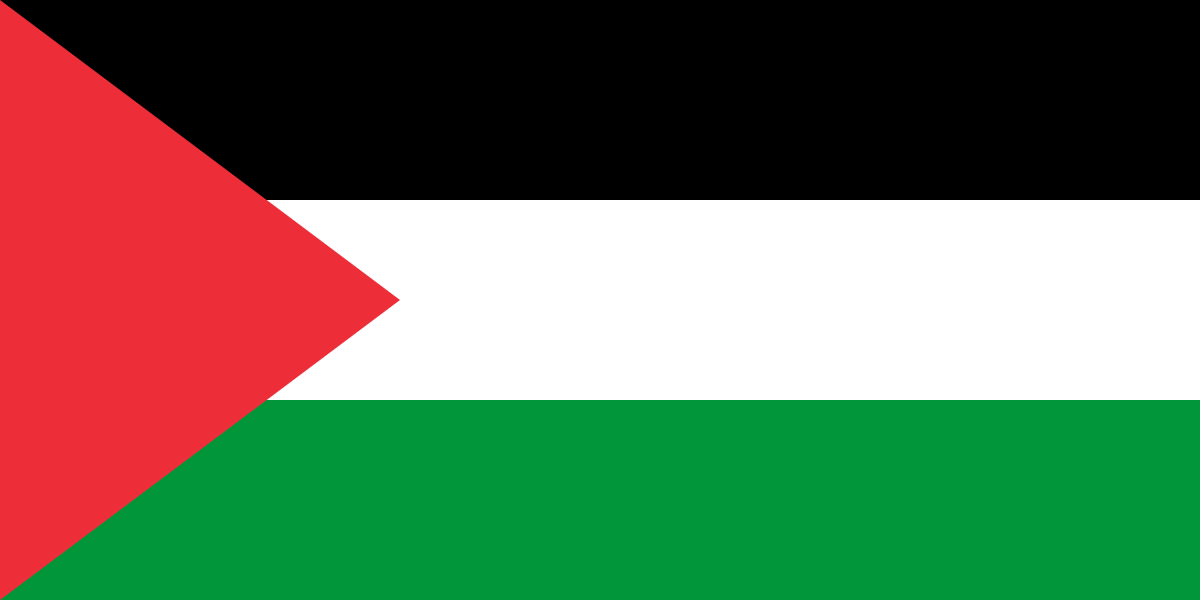
Non-communicable diseases (NCDs) are a public health problem in Palestine, and the Government attaches great importance to the control of NCDs.
NCDs are a global and regional problem, not only a national one. However, the age group of those affected
by NCDs in Palestine is different than in other parts of the world. Let me stress here that the youth suffer chronic diseases. Studies indicate that most of the youth suffer from two or three risk factors, which could have an effect on the NCDs. Furthermore, I would like to underscore that the difficult political situation of the Palestinian people as a result of the occupation and the dire economic consequences has been one of the primary causes for NCDs, particularly psychological disorders among children, students, women and the elderly.
Cardiovascular diseases, cancer and diabetes affect the youth in our country. Deaths among individuals with those diseases always occur between the ages of 40 and 50. Chronic diseases thus caused over 70 per cent of the deaths in Palestine in 2013. Cardiovascular and heart disease are the leading causes of death, brain haemorrhage is second, cancer is third and complications associated with diabetes are fourth.
The Palestinian Ministry of Health, with the support of the Palestinian Government, therefore took the following measures. First, it carried out a State-wide surveillance plan, in cooperation with the World Health Organization (WHO), which included 7,600 citizens between the ages of 18 and 65. The results of the study were used as data to develop a palliative care programme, in cooperation with Palestinian universities and the WHO, to control NCDs and chronic diseases. Through that programme we were able to monitor patients’ risk factors, including those related to smoking, eating habits, obesity and physical activity. The assessment of the programme’s results demonstrated its success. We started implementing the programme and now it is being extended to all parts of the West Bank. It will be brought to Gaza next in the context of the national unity Government.
An anti-smoking campaign was initiated and committees were established at both the national and the governorate levels in order to enable national institutions to control smoking. The committees’ work has been successful.
Similarly, a programme was carried out in cooperation with the Ministry of Health and the Ministry of Education to monitor people’s diets in order to prevent obesity. Public-awareness campaigns have been developed. Salt has been iodized, which has led to a reduction in the levels of sodium and lipids. We are now trying to change Palestinian salt standards so that they are compatible with world policies.
The hepatitis B virus vaccine has been introduced, and we are now trying to introduce the human papilloma irus vaccine for at-risk groups. Additional screening for breast cancer has been introduced. We now test all food products to ensure that they are free of carcinogens and pesticides and that they meet Palestinian standards.
We have established a national committee to combat NCDs. All the ministries are included so that they can receive the necessary support for their work. A programme to control NCDs was included in the primary-care plan. A specific law to combat smoking, supported by the President of the Palestinian Authority, has been enacted. In addition, NCD research has been undertaken in cooperation with the leading national institute and the WHO.
Those are some examples of our efforts. There is still a long way to go before we can control NCDs. I would therefore like to thank the Director-General of WHO and the Regional Director of the Regional Office for the Eastern Mediterranean for their efforts to promote the control of NCDs.
I would like to take this opportunity to say that Palestine and its children need United Nations support to end the ongoing Israeli incursions against our people in Gaza. Those incursions are a major factor in causing mental-health disorders, which we believe to be of great significance in the list of NCDs.
We have heard the last speaker for the plenary segment of the High-level Meeting. We will now begin the closing segment, which will comprise the presentation of summaries of the round-table discussions by their respective Chairs.


I will present a summary of round table 1, on strengthening national and regional capacities, including health systems and effective multisectoral and whole-of-Government responses for the prevention and control, including monitoring, of non-communicable diseases (NCDs). The following is a situational analysis.
Member States expressed a deep respect for the 2011 Political Declaration of the High-level Meeting on the Prevention and Control of Non-communicable Diseases (resolution 66/2, annex) and for the efforts of the Caribbean States that brought us that first High- level Meeting three years ago and the second High- level Meeting today.
We heard clearly that strong leadership and commitment were required at the highest level. We also heard about the important role of advocacy in promoting and advancing the NCD agenda. We heard of the importance of strengthening food systems, from production to consumption, to prevent diet-related NCDs.
We heard clearly that there was now a growing international awareness that national policies in sectors other than health had a major bearing on the risk factors for NCDs. We were witness to many illustrations this morning that health gains could be achieved much more readily by influencing public policies in sectors such as trade, finance, taxation, education, agriculture, urban development and food and pharmaceutical production than by making changes in health policy alone.
This morning, we learned about many examples where national authorities had adopted approaches to the prevention and control of NCDs that involved all Government departments and stakeholders beyond the Government. Examples from the representatives of Argentina, Barbados, Chile, the Congo, Costa Rica, Denmark, the European Union, the Federated States of Micronesia, Iran, Korea, Mexico, Nepal, Spain and South Africa, as well as the Joint United Nations Programme on HIV/AIDS and the Center for Science in the Public Interest, illustrated successful initiatives on salt reduction, healthy food legislation to ensure health-in-all policies, hypertension, diabetes and obesity.
We also acknowledged this morning that there was still a huge imbalance between the prevention and treatment of NCDs. A most striking example is that in the European Union only 3 per cent of the national health budgets are allocated for prevention, while 97 per cent are dedicated to cure. We also heard that climate change was affecting food systems in some countries.
The good news is that there are immediate opportunities to strengthen national capacities. Those include the following.
National leaders can translate the dream of the all- pervasiveness of health into a concrete national NCD action plan that unites Government departments, civil society and the private sector around a common agenda. As mandated in the 2011 Political Declaration, national leaders should establish a national high-level council or commission, as shared by the representative of Iran.
We need to develop clear messaging with regard to the myths surrounding NCDs, similar to the HIV/AIDS response, and to underscore that prevention must be the cornerstone of national NCD efforts. We need to map the national NCD epidemic so that it is no longer hidden, misunderstood and underreported. There is an immediate opportunity to strengthen national surveillance systems.
Member States can engage industry while remaining sensitive to potential conflicts of interest. Governments, civil society and the private sector are working together, and more can be done in that area. We heard that multisectoral actions on NCDs should involve programmes related to health literacy and advocacy, community mobilization and health system organization, as well as legislation and regulation. In particular, more legislation and regulation can reduce the impact of the marketing of foods on children, as we heard from the representative of Mexico.
We need to strengthen research capacity to address NCDs, particularly in developing countries. We need to invest in strengthening the capacity of human capital in the health sector. We can rethink funding as a key challenge in moving from commitment to action by establishing financial instruments at the national and global levels, including those related to official development assistance. We can continue to encourage the establishment of civil society platforms — for example, the national South Africa NCD Alliance — for advocacy, the provision of services, mobilizing people on the ground and holding Governments to account.
In terms of global opportunities to strengthen national capacities, we could establish a global countdown NCD 2025 initiative similar to Countdown to 2015: Maternal, Newborn and Child Survival. We could start to fund and equip the World Health Organization global coordination mechanism on NCDs. We could promote international solidarity among countries to ensure policy coherence between trade and health. We could use opportunities for synergy between the unfinished business of the Millennium Development Goals, for example on HIV, and NCDs.
Turning to concrete recommendations, we must maintain strong leadership and commitment at the highest level. We must conduct a review of international experience in the prevention and control of NCDs and identify and disseminate lessons learned. We must include the prevention and control of NCDs as an integral part of the work on the national and global
development agenda and related investment decisions. We must establish coalitions of stakeholders, for example, the media and the health-care sector, around a common target, such as to reduce salt intake. We should consider addressing tobacco use as an entry point for wider NCD work. In particular, we should include the use of tobacco taxes to increase the availability of domestic financing for NCD programmes.
On operationalization, to strengthen capacities for whole-of-society efforts for NCDs while taking into account the triple burden that most of us face, we must now nationally set national targets for NCDs, ensure that prevention becomes a cornerstone of national NCD policies and plans, and reform primary health-care infrastructure and train and retrain the health workforce in all aspects of NCD response. We must increase public-sector investment in addressing NCDs as a development priority, using domestic and internatinoal resources, including tobacco taxes and human capital. And we must ensure policy coherence across Government departments.
On the global level, we must mainstream NCDs into the relevant existing platforms — for example, the Scaling Up Nutrition Network — while expanding existing projects, such as the global hypertension control project developed by the Healthy Caribbean Coalition, to a global scale, and by ensuring that NCDs have a prominent role in the post-2015 development agenda.


I am Dr. Howard Koh, Assistant Secretary for Health of the United States of America. I am very pleased to give the summary of the round-table 2 discussion.
First, we heard some comments on the current situation. It was observed that the 2011 Political Declaration of the High-level Meeting on the Prevention and Control of Non-communicable Diseases (resolution 66/2, annex) sets out clear roles for Member States, United Nations agencies and bodies, civil society and the private sector in addressing non-communicable diseases (NCDs). We heard many examples illustrating the playing out of those roles from Argentina, Canada, Denmark, Iran, Mexico, the Niger, Norway, the Republic of Korea, Spain, Suriname and Sweden. There was a call for not just more partnerships, but better results. And there was a call to rethink the role of international resources for non-communicable diseases. It was suggested that we should learn from existing United Nations conventions on internationally controlled
medicines on how to foster international cooperation for NCDs, and that opportunities existed to address NCDs with respect to the treatment of drug addiction and mental health conditions. Seven opportunities were identified.
First, an opportunity was identified to embrace a collaborative, multisectoral approach for NCDs ranging, inter alia, from the financial sector to the entertainment sector.
Secondly, an opportunity was identified to create incentives for coming together. Those incentives could include international actors establishing a global NCD observatory as part of the Global Coordination Mechanism on NCDs, under the auspices of the World Health Organization (WHO), which includes so- called soft accountability for bilateral and multilateral donors to identify funding instruments and incorporate creditor reporting systems codes from the Development Assistance Committee of the Organization for Economic Cooperation and Development (OECD) to track overseas development assistance for NCDs, for domestic partners to establish high-level commissions, including mainstreaming NCDs into all health planning and development agendas, for health systems to include NCDs in universal health coverage frameworks and mainstream NCD discussions into existing vertical programmes, such as for Hepatitis B and HIV/AIDS.
A third opportunity was to benefit from stronger international regulatory frameworks to combat obesity, as suggested by Mexico, or reduce the harmful use of alcohol, as suggested by the Republic of Korea.
The fourth opportunity was to explore further taxes on tobacco and alcohol for domestic financing.
The fifth opportunity identified was to establish models to help countries calculate the cost of inaction versus action.
The sixth opportunity was to continue to encourage the private sector to serve as a strong partner to improve access to affordable medicines for NCDs, with some examples that included improving medical infrastructure in rural areas, increasing health literacy among vulnerable populations and providing mobile phones for adherents.
A seventh opportunity was to strengthen the important role of civil society. Denmark commented on its experience in providing support to NCD alliances in East Africa.
There were six recommendations.
The first recommendation was to mobilize collective expertise on how to form multisectoral partnerships on NCDs and how to measure their impacts.
The second recommendation was to focus those partnerships on systems issues, rosters of partnership, core competencies and core assets of each partner, and to keep in mind the WHO best-buys.
The third recommendation was to focus mobilization resources on generating domestic sources, such as tobacco taxes, and use those proceeds to finance domestic health services.
The fourth recommendation was to include non-governmental organizations and official delegations to the WHO World Health Assembly and to the United Nations General Assembly.
The fifth recommendation was to provide technical support to help countries in calculating the cost of action versus inaction and return on investment calculations.
And the sixth recommendation was to position NCDs in the post-2015 development agenda with the proper vision and framework.
To operationalize the foregoing, we can summarize and conclude the following.
For Member States, we encourage implementing concrete steps included in the outcome document adopted at this High-level Meeting (resolution 68/300, annex). For the OECD Development Assistance Committee, we support establishing a creditor reporting system code to track overseas development assistance for NCDs and increase funding NCD work. For the WHO and the United Nations Inter-agency Task Force on the Prevention and Control of Non-communicable Diseases, we encourage scaling up activities to provide technical assistance to support national efforts, including training of the work force. For civil society, we back increasing advocacy and the provision of services to complement Government efforts. Finally, for the private sector, we support establishing concrete partnerships in which the private sector can fully engage.
As we come to the close of this High-level Meeting, I am pleased to deliver the following statement on behalf of the President of the General Assembly.
“This review and assessment of the progress achieved in the prevention and control of non-communicable diseases (NCDs) has been a follow-up to the 2011 Political Declaration of the High-level Meeting on the Prevention and Control of Non-communicable Diseases (resolution 66/2, annex). It was designed, inter alia, to look at the progress achieved, identify and address gaps in implementation, reaffirm political commitments and encourage scaling up of multi-stakeholder and national multisectoral responses to the prevention and control of NCDs.
“I believe that over the last two days we have fulfilled that mission. I would like to thank all of our speakers, panellists and chairs for engaging our minds with their contributions and perspectives.
“Yesterday we adopted the robust outcome document (resolution 68/300, annex), which provides a framework for intensifying our efforts and commitments at the national and international levels in the fight against NCDs. We all know that there is much more work ahead of us — a point that was reiterated many times during yesterday’s debate. Member States underscored that NCDs were more than just a health issue; they had broader social and economic ramifications and were closely linked with development challenges such as poverty reduction, food security and climate change.
“In addition, we heard about the many challenges NCDs impose on societies, leading to early death and disability, burdening caregivers and costing economies billions every year. We heard that the impact of NCDs was felt more deeply in developing countries, many of which are struggling with a lack of capacity and resources to move to commitment to action.
“Many are in need of affordable medication and diagnostics. Several speakers felt that economic growth, modernization and urbanization had contributed to the spread of unhealthy lifestyles and had increased the risk factors for NCDs.
“Yesterday’s speakers also gave us cause for optimism by sharing their experiences, best practices and recommendations. We were informed about national public policy strategies to address such risk factors as tobacco use, harmful alcohol consumption, unhealthy diet and lack of physical exercise.
“We heard about the benefits of comprehensive national health programmes and the involvement of line ministries, including finance, health, education and social services.
“Many mentioned the need to approach NCDs holistically, with coordination and cooperation among Governments, health sectors, businesses, academia, communities and others. Several speakers emphasized the importance of data collection, national legislation and an enabling environment to support policy implementation.
“Technical assistance for capacity-building, especially for developing countries, was emphasized, as it will, in turn, strengthen the ability of countries to measure, monitor and assess the progress made in addressing NCDs. In developing countries where capacity and resources are lacking, further cooperation with international and regional financial institutions was proposed by several Member States.
“With regard to the post-2015 development agenda, some speakers called for the integration of an NCD/health-oriented goal or objective, including as a stand-alone goal. At the same time, many speakers referred to the need to strengthen national health systems and to move towards universal health coverage.
“After our two days of meetings here, it is clear that we are all in agreement that NCDs are a constraint on global development and on achieving the world we want. Our outcome document reminds us that we must approach that challenge at all levels and from every angle and that NCDs, along with other health issues, must be given strong consideration in the negotiations on the post-2015 development agenda. We must also keep our attention focused on two important future dates — first, the Secretary- General’s report to be issued by the end of 2017 on both the implementation of the outcome document adopted at this High-level Meeting and the Political Declaration of 2011 and, secondly, a comprehensive review of the progress on that issue, to take place in 2018.
“Between now and the next review, there should be ample opportunity to begin changing the landscape of NCDs. The path to sustainable development unites us all. That is particularly so in managing the challenge of NCDs, which affects
every one of us in one way or another. Let us remain united in the quest to improve the health and human development of all the world’s people.”
(spoke in Arabic)
I now declare closed the High-level Meeting of the General Assembly on the comprehensive review and
assessment of the progress achieved in the prevention and control of non-communicable diseases.
The General Assembly has thus concluded this stage of its consideration of agenda item 118.
The meeting rose at 6.15 p.m.